
Global import markets are undergoing a critical regulatory transition. As international trade governing bodies, such as the World Trade Organization (WTO), monitor the implementation of strict sustainability standards across supply chains, traditional plastic-heavy logistics models are becoming significant financial liabilities. For enterprise procurement officers, global retail brand managers, and e-commerce directors scaling sustainable product portfolios, packaging is no longer just a defensive wrapper to protect goods during transit. In the hyper-competitive eco-conscious market, your supply chain’s shipping materials serve as a direct indicator of your operational sustainability, commercial efficiency, and regulatory compliance.
When scaling a global inventory of natural plant fibers, procurement teams often overlook a vital link: how your inventory is packed, compressed, and palletized at the point of origin directly determines your final landed margins. Selecting a premium organic loofah supplier who understands high-density cultivation is only half the battle. To truly maximize profit margins, your business must establish advanced, zero-waste logistics protocols that optimize container volume while completely eliminating single-use plastics.
This comprehensive operational guide breaks down the technical strategies required to design, execute, and scale sustainable packaging systems for bulk loofah wholesale shipments. Sourcing natural materials from VietGap global farms requires advanced material engineering, strict moisture management, and smart volumetric compression. By mastering these variables, your brand can eliminate unnecessary plastic waste, ensure fast customs clearance at international borders, and deliver a superior, retail-ready product that resonates with modern eco-conscious consumers.
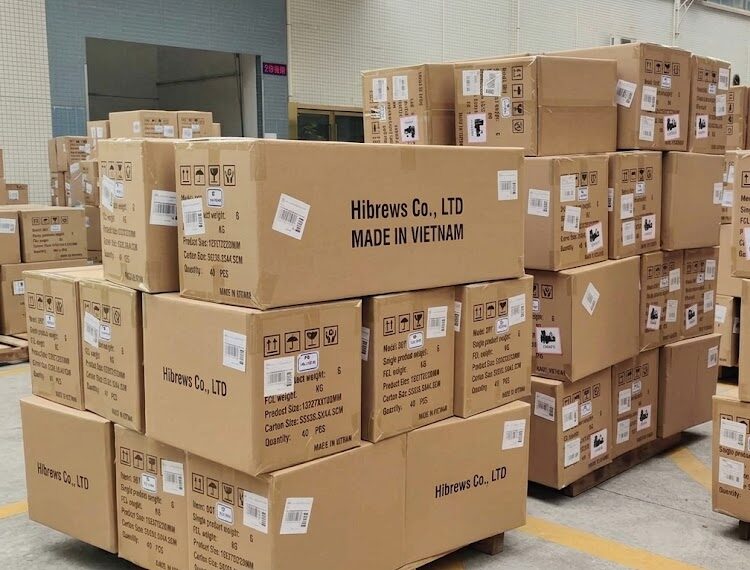
1. The Financial Impact of Volumetric Weight in Loofah Freight Logistics
In international freight logistics, the most significant hidden expense for natural fiber importers is the cost of shipping empty space. Unlike dense commodities like processed timber or stone, unrefined agricultural plant fibers are highly volumetric. If packed incorrectly, a bulk order will fill a standard ocean freight container by volume long before it ever reaches its maximum weight capacity. This issue can cause per-unit shipping expenses to quickly eclipse the actual manufacturing cost of the goods.
Understanding the Volumetric Math
International ocean and air freight carriers calculate shipping rates using two competing metrics: actual gross weight and volumetric (dimensional) weight. The carrier will always charge based on whichever value is higher. The standard formula utilized across global shipping lines to calculate dimensional weight is:

When an importer buys uncompressed natural fibers from a non-specialized broker, they are essentially paying a high premium to transport air across the ocean. To counter this logistical challenge, specialized supply networks use heavy industrial hydraulic compression to flatten the fibers before packing.
   [Raw Volumetric Loofah]                [Hydraulically Compressed Loofah]
   Dimensions: 40 x 15 x 15 cm            Dimensions: 40 x 15 x 3.5 cm
   Density: ~0.08 g/cm³                   Density: ~0.32 g/cm³
   Freight Efficiency: POOR               Freight Efficiency: EXCELLENT (400% Gain)
   Container Util.: 25% Real Cargo        Container Util.: 98% Real Cargo
By applying high-pressure hydraulic systems to the processed gourds at the factory, the physical volume of a bulk shipment can be reduced by up to $75\%-80\%$. This massive reduction in space allows an experienced exporter to pack four times as many product units into a single 40ft High Cube (HC) container. Once the shipment arrives at the buyer’s destination warehouse and the bundles are opened, exposure to natural atmospheric moisture causes the resilient cellulose fibers to spring back to their original cylindrical shape without losing any structural strength. This mechanical optimization drastically lowers the per-unit freight cost, enabling your business to maintain highly competitive loofah wholesale pricing at retail.
2. The Core Pillars of Zero-Waste Packaging Design
Transitioning to an eco-friendly supply chain requires an absolute commitment to plastic-free packaging materials. Wrapping natural, biodegradable plant fibers in non-recyclable plastic polybags creates a jarring mismatch for consumers and contradicts the core values of sustainable retail. A truly circular economy approach demands that every layer of packaging—from the inner product wrap to the outer ocean container box—is fully composted, easily recycled, or completely biodegradable.
Primary Packaging: Plastic-Free Retail Wraps
For consumer-facing retail brands, the individual product packaging must reflect authentic environmental sustainability:
-
FSC-Certified Kraft Paper Bands: Rather than sealing sponges inside fully enclosed plastic pouches, wrap individual items in minimalist bands made from Forest Stewardship Council (FSC) certified unbleached kraft paper. This design leaves the natural texture of the fibers exposed, allowing customers to touch and feel the material quality directly on retail shelves while providing clear space for branding and product info.
-
Plant-Based Cellophane Sleeves: If your target market requires fully sealed packaging for hygiene compliance, choose certified biodegradable films derived from renewable wood pulp or non-GMO cornstarch. These plant-based films break down entirely within industrial composting facilities, avoiding the microplastic pollution associated with petroleum-based clear plastics.
-
Natural Soy-Based Ink Printing: Avoid chemical-heavy petroleum inks, which release volatile organic compounds (VOCs) and complicate the paper recycling process. Insist on natural soy-based or water-based inks for all retail packaging graphics to ensure the entire wrap remains safely compostable.
Secondary and Tertiary Packaging: Industrial Protection
When moving large-scale volumes through global supply networks, the outer industrial packaging must be built tough enough to handle cross-border transit while remaining completely eco-friendly:
-
Double-Wall Corrugated Boxes: Use high-test, double-wall boxes made from recycled kraft fibers to pack compressed units. These sturdy boxes provide the structural strength needed to protect stacked cargo from shifting during rough ocean voyages.
-
Water-Activated Paper Tapes: Replace standard plastic packing tape with water-activated paper tape reinforced with natural fiberglass strands. This bio-based tape bonds securely with the fibers of the outer box, creating a strong seal that can be recycled directly alongside the cardboard without needing manual separation.
-
Natural Jute Binding Twine: To keep compressed bundles organized inside the larger boxes, bind the items using natural jute twine or organic cotton strings instead of synthetic plastic strapping bands.
3. Essential Moisture Control Protocols for Ocean Freight Transit
Natural agricultural products are highly sensitive to environmental shifts during long transit windows. When shipping organic goods across different climate zones—such as transporting containers from tropical production hubs in Southeast Asia to temperate ports across North America or the European Union—importers face the risk of container sweat. Managing moisture levels inside your shipping containers is critical to protecting your inventory from mold and ensuring smooth border entry.
Avoiding Toxic Chemical Preservatives
Many high-volume export brokers use chemical anti-mold sprays or sulfur dioxide fumigation to protect agricultural shipments from moisture damage during long ocean transits. While these chemical treatments are cheap and fast, they leave toxic residues that can irritate sensitive skin and violate strict consumer safety rules like the EU’s REACH standards.
By partnering with an experienced, quality-focused partner like HiBrews, your brand avoids these chemical liabilities entirely. We protect our bulk shipments using strict moisture testing, natural sun-curing, and high-capacity clay desiccants. This clean process keeps the natural fibers completely pure and ensures your inventory is shelf-ready the moment it clears customs.
4. Operational Specifications: Sustainable Bulk Packaging Matrix
To help procurement teams optimize their global logistics setups, the matrix below details the official packaging specifications utilized by HiBrews for high-volume commercial shipments. These standardized configurations are engineered to maximize container space, eliminate single-use plastics, and ensure reliable protection during long-distance international transit.
| Sourcing Level | Technical Target Application | Primary Inbound Wrapper | Secondary Master Carton | Max Volumetric Box Density | Real Palletization Method |
| LEVEL 1: BULK RAW | High-volume industrial processing & manufacturing | Zero wrapper; bundled loosely with organic jute twine | Double-wall recycled kraft box (60\40\40\ cm) | >0.35\ g/cm3 (High mechanical press) | Standard ISPM-15 heat-treated wood pallet |
| LEVEL 2: RETAIL KITCHEN | Zero-waste household cleaning retail lines | FSC-certified unbleached paper band; printed with soy inks | Double-wall corrugated export box (50\40\30\cm) | ~ 0.28\ g/cm3 (Moderate compression) | Standard ISPM-15 heat-treated wood pallet |
| LEVEL 3: LUXURY SPA | Premium personal care wellness brands | Biodegradable cornstarch sleeve; certified compostable | Heavy-duty kraft carton with reinforced corners | ~ 0.22\ g/cm3 (Light shape preservation) | Standard ISPM-15 heat-treated wood pallet |
5. Navigating Global Customs: Certifications and Regulatory Compliance
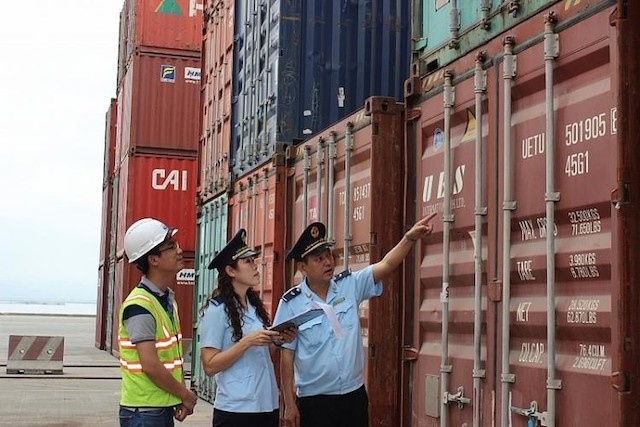
Importing raw or processed agricultural fibers into premium western markets requires strict adherence to international trade laws. Customs agencies, such as the USDA Agricultural Marketing Service (AMS) in the United States and the European Commission’s Trade Directorate, mandate complete documentation to verify that incoming shipments are free of invasive pests and environmentally hazardous chemicals.
Key Documentation Checklist for Smooth Border Entry
To ensure your bulk shipments clear customs smoothly and avoid costly port delays, your logistics provider must supply a comprehensive documentation pack:
-
Official Phytosanitary Certificate: This document, issued directly by the Ministry of Agriculture and Rural Development (MARD) in Vietnam, verifies that the plant fibers have been thoroughly inspected, cleaned of all agricultural seeds, and certified free of pests.
-
Fumigation Certificate (Non-Toxic Alternative): When shipping wood pallets or raw plant materials, customs agencies require proof of pest control treatment. We use heat-treatment protocols (ISPM-15 standards) rather than toxic chemical fumigation to meet these requirements sustainably.
-
Detailed Certificate of Origin (Form D/B): Provides official proof of production origin, allowing importers to leverage regional free-trade agreements and minimize import duties.
6. How Eco-Conscious Importers Mitigate Sourcing Risks
Building a resilient, cost-effective supply chain for sustainable products requires smart planning and risk management. Companies looking to transition away from plastic-heavy sourcing should implement three core procurement strategies:
1. Shift from Spot-Market Buying to Scheduled Forward Contracts
Relying on erratic spot-market brokers leaves your brand vulnerable to seasonal price shifts, unpredictable weather events, and unstable fiber quality. Securing a long-term forward contract with a structured supplier ensures consistent inventory allocations and stable, predictable pricing throughout the year.
2. Standardize Product Dimensions to Reduce Factory Scrap
Ordering highly irregular, custom-shaped sponges can increase factory scrap rates up to $20\%$. By choosing standard geometric profiles that fit together cleanly during mechanical die-cutting, you optimize material use, minimize production waste, and lower your overall per-unit costs.
3. Verify Quality Standards with a Dedicated Trial Run
Committing to large container shipments before testing how a new supplier’s materials perform introduces unnecessary operational risk. Ordering a smaller, verified B2B trial order allows your quality control team to test material durability, check water expansion rates, and confirm packaging performance before scaling up your order volumes.
7. Scaling Your Sustainable Brand via Private Label Models
The global demand for eco-friendly home and personal care goods presents a significant growth opportunity for modern e-commerce brands and established retailers. However, building a private-label product line requires a partner that can handle high-volume manufacturing while maintaining absolute environmental purity.
Through our comprehensive OEM loofah manufacturing facilities, HiBrews helps brands convert raw, sustainable plant fibers into shelf-ready retail items. By working directly with our network of 19 audited VietGap farms, we ensure complete quality control over the raw materials, guaranteeing excellent fiber density and zero chemical contamination. Our production teams can press, cut, sew, and package products to your exact specifications, allowing your business to scale its sustainable collections efficiently without sacrificing quality or brand values.
             [19 Audited VietGap Farms]
                         │ (Zero Chemical Farming)
                         ▼
             [HiBrews Processing Hub]
                         │ (Mechanical Cleaning & Sun Curing)
                         ▼
             [OEM Custom Fabrication]
                         │ (Precision Cutting & Hydraulic Pressing)
                         ▼
             [Zero-Waste Packing Line]
                         │ (Plastic-Free Kraft Cartons)
                         ▼
             [Global Enterprise Importer]
8. Partnering with HiBrews: Streamlining Your Bulk Sourcing Workflow
Managing international logistics for natural commodities can be challenging. At HiBrews, we specialize in simplifying global trade for sustainable brands by combining traditional Vietnamese farming knowledge with modern, structured logistics systems.
Our zero-waste bulk packaging protocols are carefully engineered to optimize container space, protect product quality during ocean transit, and eliminate single-use plastics entirely. By avoiding harsh chemical treatments and utilizing high-density hydraulic compression, we deliver premium, long-lasting eco-products that lower your shipping costs and meet strict global import rules. Whether your business requires bulk raw fibers, custom private-label goods, or shelf-ready retail collections, our international trade teams are dedicated to helping you scale a reliable, eco-friendly supply chain.
Ready to Optimize Your Sustainable Logistics Network?
Our international trade specialists are ready to help you analyze your product specs, optimize container packing layouts, and build a highly efficient, plastic-free supply chain.
-
To request a detailed commercial quote tailored to your custom specifications, Inquire loofah wholesale through our global procurement hub.
-
To thoroughly evaluate our fiber durability, structural resilience, and workmanship firsthand, Order bulk loofah samples for your product development team today.
-
Connect directly with our leadership team on the CEO Hibrews Nguyen LinkedIn profile to discuss large-scale OEM partnerships and corporate supply contracts.
-
See our sustainable farming, sun-curing, and zero-waste packaging operations in action by subscribing to our official HiBrews YouTube Channel.

Leave A Comment