
The Ultimate Organic Loofah Wholesale Guide: Transform Your Sustainable Supply Chain Now!
Sustainable procurement managers, corporate retail buyers, and eco-conscious brand owners operating across western markets face an increasingly urgent logistical reality: consumers are looking past basic green marketing in favor of verified product origins. As international regulatory bodies like the European Chemicals Agency (ECHA) tighten restrictions on synthetic polyurethane foams and microplastic-shedding kitchen scrubbers, corporate supply networks must find truly biodegradable alternatives.
Among these options, the humble Luffa aegyptiaca has emerged as an essential material for retail home goods, industrial filtration, and commercial spa lines. However, moving from small-scale sourcing to a reliable, enterprise-ready B2B pipeline presents a unique set of challenges.
This comprehensive organic loofah wholesale guide is designed to demphasize the complexities of the natural loofah supply chain. For procurement departments adjusting their inventories to meet modern environmental expectations, sourcing agricultural materials demands the same structural predictability, strict quality control, and regulatory compliance as specialized industrial manufacturing.
Below, we break down the operational strategies behind HiBrews, mapping our journey from traditional farming heritage to a globally recognized, chemical-free production network backed by VietGap global farms. By understanding these workflows, your brand can protect retail margins, guarantee compliance with international customs, and deliver high-performance eco-products to a growing market.
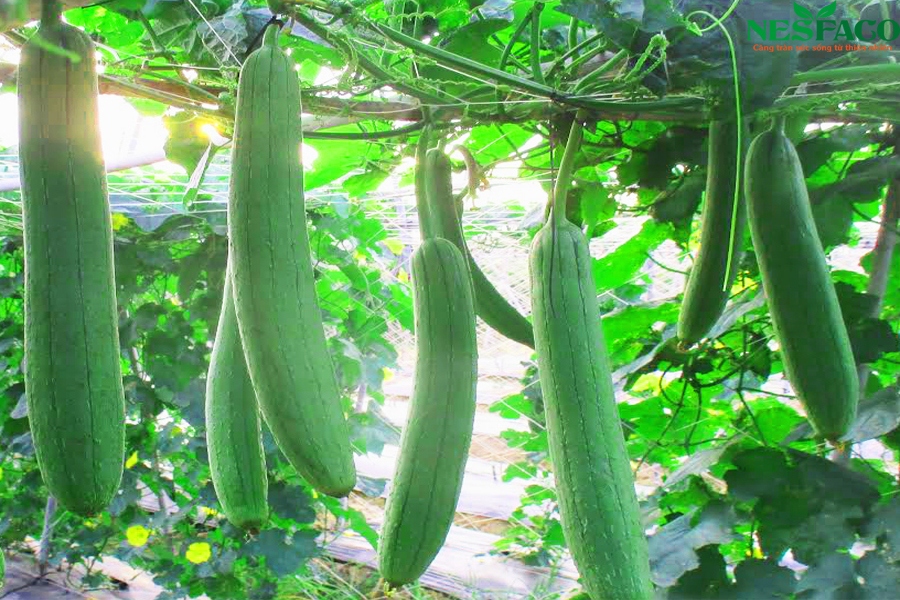
1. The Realities of Global Loofah Sourcing
To successfully source natural materials at scale, international buyers must understand the differences between regional production models. While loofah grows across multiple tropical and subtropical regions worldwide, the methods used to cultivate and process the crop vary widely, directly impacting the quality and consistency of your retail stock.
The Fragmented Spot Market vs. Structured Supply Infrastructure
A large portion of the global loofah trade operates on fragmented spot markets. In these systems, independent brokers consolidate small harvests from dozens of unverified family plots. For an international brand, relying on this model introduces significant risks:
-
Inconsistent Fiber Density: Variations in soil quality, hydration levels, and seed strains across multiple small plots create highly erratic fiber thickness within a single shipment.
-
Unpredictable Sizing: Without standardized trellising and pruning, gourds grow into irregular shapes, leading to high scrap rates during factory die-cutting.
-
Unverified Chemical Usage: Small, unregulated farms often use commercial chemical fertilizers and quick-acting pesticides to protect their individual crops, leaving behind chemical residues that fail strict import checks.
To mitigate these operational bottlenecks, HiBrews established a structured corporate-agrarian framework. By centralizing management across 19 dedicated agricultural hubs, we ensure uniform farming protocols, synchronized harvesting schedules, and dependable quality baselines. This provides commercial clients with the structural stability of an industrial factory while preserving the natural benefits of organic farming.
2. The Foundation: Traditional Vietnamese Agriculture and VietGap Standards
The foundation of a reliable organic loofah wholesale guide begins with the soil. In Vietnam, growing Luffa aegyptiaca is a multi-generational craft, finely tuned to the country’s unique tropical river delta ecosystems. Rather than replacing these time-tested traditional techniques with high-chemical commercial farming, our production strategy focuses on refining local knowledge through structured, modern quality frameworks.
Preserving Traditional Agricultural Principles
Traditional Vietnamese loofah cultivation relies on complete environmental synergy. Our farming teams use natural, renewable materials to build extensive overhead trellises, utilizing native bamboo poles and hand-woven jute fibers instead of synthetic plastics or treated metals. This approach provides several key benefits:
-
Optimal Air Distribution: Elevating the vines off the ground maximizes airflow around the growing plants, drastically reducing the formation of moisture-loving agricultural fungi and root-rot.
-
Natural Pest Resistance: By intercropping loofah vines with native botanical repellents, our farms minimize insect pressure without needing synthetic chemical interventions.
-
Soil Preservation: Rotating loofah crops with nitrogen-fixing cover plants keeps the agricultural soil rich and fertile across multiple growing seasons.
[Traditional Bamboo Trellising] ──► Maximizes Air Circulation ──► Prevents Crop Fungi
[Natural Plant Intercropping]   ──► deters Destructive Insects ──► Eliminates Chemical Pesticides
[Seasonal Crop Rotation]         ──► Restores Soil Nitrogen      ──► Maximizes Long-Term Yield
Implementing the VietGap Framework
To transition these traditional practices into a dependable global supply chain, we align all farm management under the official VietGap (Vietnamese Good Agricultural Practices) framework. This structured protocol establishes clear operational metrics across every phase of production:
-
Water Supply Management: All irrigation water is drawn from certified deep-aquifer wells, which undergo regular testing to confirm the absolute absence of heavy metal contamination or industrial runoff.
-
Organic Soil Maintenance: We feed our crops exclusively with fully composted organic matter and natural bio-fertilizers, keeping the soil structure strong and fertile without relying on synthetic chemicals.
-
Complete Batch Documentation: Every field crew maintains detailed logs tracking planting dates, watering schedules, and harvest windows for each parcel of land, providing clear operational visibility throughout the growing cycle.
3. Post-Harvest Processing: Why Chemical-Free Processing Wins
The post-harvest phase is often where the structural value of a sustainable product line is either secured or compromised. Many high-volume suppliers rely on quick, aggressive chemical treatments to reduce production times and cut costs. However, companies looking for a reliable, premium organic loofah supplier should look for completely chemical-free processing methods.
The Hazards of Industrial Chemical Bleaching
To mask visual variations in agricultural fibers and quickly clear away dried organic matter, low-cost manufacturers frequently use harsh chemical baths, including sodium hypochlorite (industrial bleach) and toxic sulfur dioxide fumigation. This aggressive shortcut causes severe long-term product issues:
-
Fiber Degradation: Chemical bleaching strips away natural lignins, weakening the organic cell walls. This causes the finished sponge to soften too quickly and break apart after just a few weeks of customer use.
-
Chemical Residues: Toxic elements can remain trapped within the deep fiber matrix, presenting risks for sensitive skin applications and conflicting with international consumer safety regulations.
-
Environmental Strain: Discharging chemical-heavy wastewater from processing plants poisons local water tables, directly undermining the environmental mission of zero-waste brands.
The HiBrews Standard: Natural Mechanical and Sun Curing
To protect the natural strength of the material, HiBrews uses a multi-step mechanical and sun-curing process. This clean methodology relies on natural elements to prepare the fibers for commercial use:

By avoiding aggressive chemical treatments, the loofah retains its natural spring, offers excellent scrub performance, and stays durable across extended use—helping consumer brands reduce return rates and build long-term customer loyalty.
4. Technical Specifications: Density, Sizing, and Structural Grading
For procurement professionals using an organic loofah wholesale guide to manage inventory, relying on simple visual checks is not enough. Natural loofah requires precise physical measurements to ensure it performs correctly across different retail and industrial applications.
      HIGH-DENSITY FIBER (Grade A)              LOW-DENSITY FIBER (Grade C)
    ┌───────────────────────────────┐          ┌───────────────────────────────┐
    │  ▓▓▓▓▓▓▓▓▓▓▓▓▓▓▓▓▓▓▓▓▓▓▓▓▓▓▓  │          │  ░░░░   ░░░░   ░░░░   ░░░░    │
    │  ▓▓▓▓▒▒▒▒▒▒▒▒▒▒▒▒▒▒▒▒▒▒▓▓▓▓▓  │          │  ░░       ░░     ░░     ░░    │
    │  ▓▓▓▓▒▒  CRUSH RESISTANT ▒▓▓▓▓  │          │  ░░   SOFT MAT  ░░     ░░    │
    │  ▓▓▓▓▒▒▒▒▒▒▒▒▒▒▒▒▒▒▒▒▒▒▓▓▓▓▓  │          │  ░░       ░░     ░░     ░░    │
    │  ▓▓▓▓▓▓▓▓▓▓▓▓▓▓▓▓▓▓▓▓▓▓▓▓▓▓▓  │          │  ░░░░   ░░░░   ░░░░   ░░░░    │
    └───────────────────────────────┘          └───────────────────────────────┘
     Target: Premium Exfoliation & Spas          Target: Artisanal Soap Inlays
Measuring Material Density
Fiber density determines how the loofah reacts to water, its rigidity under pressure, and its overall lifespan. We measure this metric using dry mass per cubic centimeter ($\text{g/cm}^3$):
-
High-Density Fibers (ge 0.085 g/cm3): Features a tightly woven internal structure. These fibers resist heavy compression, making them ideal for durable kitchen scrubbers and professional exfoliating tools.
-
Medium-Density Fibers (0.060 – 0.085 g/cm3): Offers a balanced, flexible matrix that softens comfortably when wet. This grade is widely used for retail bath sponges and personal care items.
-
Low-Density Fibers (< 0.060\g/cm3): Highly porous and easy to cut, making them perfect for artisanal soap makers who need consistent, absorbent fiber slices for soap bases.
Commercial Grading Standards
To help procurement teams select the exact material specifications for their product lines, we classify our bulk inventory into three clear commercial grades:
| Sourcing Code | Material Classification | Average Length Range | Internal Fiber Configuration | Target Retail Application |
| HL-A1-PREM | Grade A Export Premium | 35 cm – 50 cm | Uniform cylindrical shape, high density, minimal taper | Luxury spa products, premium private-label bath lines |
| HL-B2-UTIL | Grade B Commercial Utility | 20 cm – 34 cm | Slight natural curves, medium density, standard taper | Zero-waste kitchen sponges, household cleaning kits |
| HL-C3-IND | Grade C Processing Base | 10 cm – 19 cm | Varied pore sizes, lower density, irregular shapes | Wholesale loofah pet toys, industrial filters, artisanal soap slices |
5. B2B Custom Customization and OEM Capabilities
A key section of any modern organic loofah wholesale guide must address custom manufacturing. Very few retail brands import unrefined, raw gourds; most businesses require finished, shelf-ready products tailored to their target market’s needs.
Through our structured OEM loofah manufacturing division, HiBrews converts raw organic fibers into precise, custom retail items. We support a wide range of custom manufacturing options:
Precision Mechanical Slicing and Die-Cutting
Using industrial cutting systems, we process raw loofah gourds into exact geometric dimensions. This allows us to produce perfectly uniform circular wheels for cosmetic soap makers, clean rectangular blocks for zero-waste household dish scrubbers, and custom shapes for eco-friendly pet toys.
6. Global Freight Logistics: Maximizing Container Load Values
Shipping natural materials internationally requires smart volume management. Because uncompressed loofah gourds are highly volumetric, failing to plan your packaging strategy can cause freight expenses to quickly outweigh the value of the cargo.
Overcoming High Shipping Volumes with Hydraulic Compression
Uncompressed loofah contains a large amount of empty space, meaning a standard shipping container will quickly fill up by volume long before reaching its legal weight limit. To solve this issue and help clients protect their margins, HiBrews applies high-density compression to volume shipments:
By increasing container packing density by up to $400\%$, we allow brands to ship significantly more product units within a single ocean container, substantially reducing freight costs per item.
Choosing the Right Trade Terms: FOB vs. CIF
We offer flexible trade terms aligned with your corporate logistics setup:
-
FOB (Free On Board – Port of Cat Lai / Port of Haiphong): HiBrews manages all domestic trucking, export packaging, and export customs clearance within Vietnam. Your freight forwarding partner takes over once the cargo is loaded onto the vessel, giving your team direct control over international shipping routes and destination customs handling.
-
CIF (Cost, Insurance, and Freight): Our logistics team manages the entire ocean voyage to your designated destination port (such as the Port of Los Angeles or Port of Valencia), including marine insurance. This simplifies cross-border sourcing for growing businesses by providing clear, predictable landed costs.
7. Compliance, Customs Clearance, and International Import Standards
Entering highly regulated consumer markets like the United States and the European Union requires strict adherence to agricultural import rules. Missing key documentation can lead to expensive customs delays, quarantine fees, or port rejections.
Important U.S. Import Requirements (CBP and USDA)
When importing organic loofah into the United States, shipments must pass inspection by U.S. Customs and Border Protection (CBP) and follow United States Department of Agriculture (USDA) guidelines:
-
Complete Phytosanitary Documentation: Every shipment must include an official Phytosanitary Certificate issued by the Ministry of Agriculture and Rural Development (MARD) of Vietnam, confirming the fibers are thoroughly cleaned and completely free of agricultural pests.
-
Total Deseeding Compliance: Customs inspectors check for remaining agricultural seeds. Our thorough mechanical cleaning and multi-stage seed removal processes ensure smooth passage through U.S. entry ports.
Crucial European Union Import Standards (REACH Compliance)
For brands importing goods into European markets like Spain, France, or Germany, products must comply with strict chemical regulations:
-
Verified Zero-Chemical Status: Because we use a completely chemical-free processing workflow, our loofahs easily pass European market entry checks, ensuring full compliance with REACH regulations.
-
Zero Fumigation Residues: By replacing aggressive sulfur dioxide treatments with natural sun curing and controlled hot-air sterilization, we guarantee zero hazardous outgassing, ensuring your inventory is shelf-ready the moment it arrives.
8. Sourcing Risk Management: A Strategic Guide for Corporate Importers
To build a resilient, long-term supply chain for sustainable products, procurement officers should incorporate these core risk-management practices into their purchasing strategies:
1. Shift from Spot Purchases to Seasonal Forward Contracts
Relying on erratic spot market purchases leaves your business vulnerable to sudden weather events and price spikes. Securing seasonal forward contracts with an established partner like HiBrews stabilizes your pricing and guarantees your inventory allocations even during low-yield harvest months.
2. Standardize Product Designs to Reduce Waste
Using highly irregular, custom die-cut designs can increase material scrap rates up to $25\%$. By aligning your product dimensions with standard manufacturing sizes, you optimize material usage and significantly lower your per-unit costs.
3. Validate Production Quality with a Structured Trial Run
Committing to large-scale container orders without testing material performance introduces unnecessary operational risk. Sourcing a smaller, verified B2B trial order allows your quality control teams to test fiber density, check water absorption rates, and confirm regulatory compliance before scaling up production.
9. Partnering with HiBrews: Streamlining Your Eco-Friendly Sourcing Pipeline
Managing a global supply chain for natural products requires a partner that blends traditional agricultural knowledge with reliable corporate operations. HiBrews removes the complexity of importing sustainable goods by providing transparent, factory-direct sourcing from our extensive farming networks in Vietnam.
By managing a structured network of 19 VietGap farms, we ensure complete control over raw material quality from the initial seeding to final port delivery. Our modern processing facilities operate entirely without harsh chemicals, providing international brands with premium, long-lasting loofah products that align perfectly with modern environmental and safety standards. Whether your business requires bulk raw fibers, specialized private-label products, or tailored custom sizes, our teams are dedicated to helping you scale your sustainable product lines efficiently.
Secure Your Sustainable Product Pipeline Today
Our international trade specialists are ready to help you optimize your product configurations, design custom retail packaging, and establish a reliable, cost-effective import workflow.
-
To coordinate custom product development with our technical team, Inquire loofah wholesale through our procurement office.
-
To evaluate our material durability, texture, and structural quality firsthand, Order bulk loofah samples today.
-
Connect directly with our leadership team via the CEO Hibrews Nguyen LinkedIn profile to discuss long-term enterprise OEM agreements.
-
To see our traditional farming practices and modern certified processing facilities in action, subscribe to our official HiBrews YouTube Channel.

Leave A Comment