
Global market forces are converging on a single, undeniable reality: consumer demand for synthetic plastics is collapsing, while the regulatory framework surrounding retail packaging and personal care products is tightening. In both the United States and the European Union, single-use plastics and non-biodegradable synthetic meshes are facing unprecedented scrutiny. For commercial brands, retail chains, and distributors, this shift represents both a major operational hurdle and an extraordinary market opportunity.
Transitioning a procurement network away from petroleum-based poly-mesh sponges toward biological materials requires deep operational clarity. It demands an understanding of agricultural origin points, processing methodologies, processing compliance, and international freight realities. This comprehensive organic loofah wholesale guide serves as a strategic blueprint for procurement executives, brand directors, and supply chain managers seeking to establish a resilient, highly ethical, and scalable source of organic Luffa aegyptiaca and Luffa acutangula.
1. The Global Landscape of Sustainable Sourcing
The international market for natural plant-based exfoliators and household utilities has moved beyond a niche retail footprint. Today, it is an industrial sector characterized by strict quality expectations and precise technical requirements. For decades, global supply chains relied on fragmented, unmonitored smallholder farming setups that delivered highly variable product batches. This variability manifested in unpredictable fiber densities, inconsistent coloring due to harsh chemical bleaching, and erratic volume stability.
Modern B2B enterprise clients require a sophisticated alternative. To scale a commercial brand on platforms like Amazon or Etsy, or to fulfill the strict procurement guidelines of international hotel groups, buyers need specialized agricultural pipelines. The contemporary marketplace demands agricultural validation, structural reliability, and systemic volume predictability.
The Shift from Synthetics to Cellulosic Substrates
Synthetic bath meshes and household sponges are primarily manufactured from polyurethane, low-density polyethylene (LDPE), or nylon. During usage, these polymers inevitably shed microplastic particles directly into municipal wastewater systems. As regulatory bodies implement strict microplastic mitigation frameworks, global brands are rapidly shifting to cellulosic alternatives.
Natural loofah, derived from the dried vascular system of the Luffa plant, offers a fully biodegradable alternative. Its natural structural composition delivers equivalent—and often superior—tensile performance, mechanical scrubbing action, and moisture absorption without environmental persistence.
Identifying Competitive Production Regions
While Luffa is cultivated across various tropical and subtropical zones, regional processing styles vary significantly. Traditional manufacturing corridors frequently rely on heavy chemical agents, such as sodium hypochlorite or hydrogen peroxide solutions, to rapidly whiten raw fibers. This process compromises structural longevity, weakens natural cellulose bonds, and leaves chemical chemical residues that fail strict consumer safety standards in the US and the EU.
Vietnam has emerged as a premier production hub for high-grade industrial and personal care loofah. By combining optimal tropical climates with advanced agronomic infrastructure, selected networks in Vietnam deliver raw fibers with exceptional structural integrity, distinct golden-cream coloration, and highly uniform fiber distributions.
2. Agronomic Foundations: Cultivation, Standards, and Farm Management
The market value of a finished wholesale loofah product is determined long before the raw material enters a processing facility. It is deeply rooted in agricultural protocols, soil health, and vine training practices. Commercial buyers must realize that low-grade cultivation yields weak, brittle fibers that collapse when wet, making them unsuitable for commercial applications.
VietGap Global Farming Standards
To achieve structural uniformity across thousands of master cartons, agricultural operations must follow strict, structured farm management frameworks. Working alongside a network of 19 VietGap global farms enables HiBrews to maintain precise control over every variable in the plant lifecycle. The VietGap (Vietnamese Good Agricultural Practices) framework establishes rigorous requirements across multiple operational areas:
-
Soil Quality and Site Selection: Cultivation zones are systematically isolated from heavy industrial runoff, chemical dump sites, and contaminated ground systems. Regular soil assays monitor heavy metal thresholds to ensure compliance with strict international limits.
-
Water Resource Governance: Irrigation systems draw from tested, pure groundwater reserves or pristine natural streams. This step prevents the introduction of pathogen profiles or agricultural pollutants into the growing gourds.
-
Integrated Pest Management (IPM): Rather than using broad-spectrum synthetic chemical pesticides, fields prioritize natural biological controls, physical exclusion netting, and strategic crop rotation. This methodology ensures that the fibrous mesh remains free from toxic chemical trace residues.
-
Worker Safety and Welfare: True sustainability requires safe, fair working conditions. Following fair-trade principles ensures that field workers receive fair wages, comprehensive field safety equipment, and reasonable working hours, creating a highly resilient and dedicated agricultural community.
Structural Development Profiles
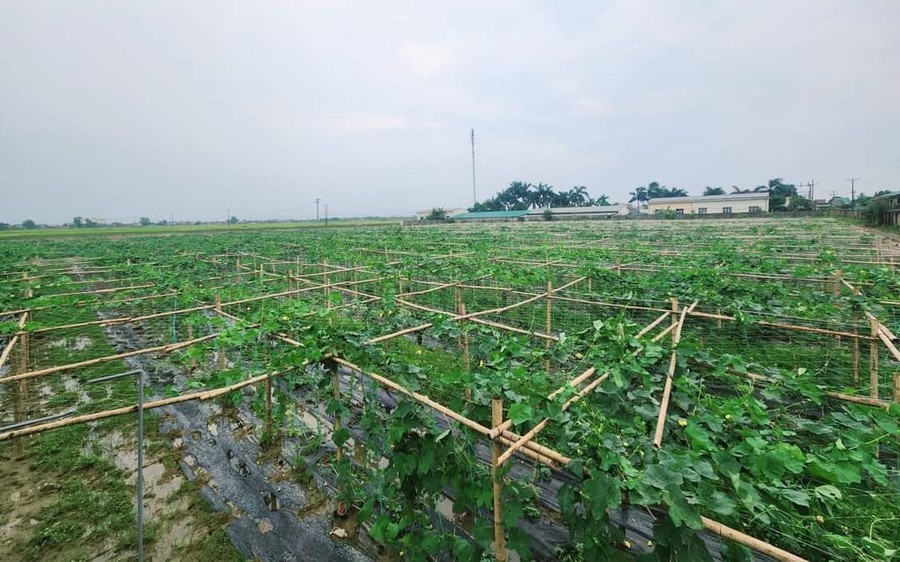
The structural density of a loofah gourd depends on how its vine is managed. Allowing gourds to rest directly on open ground exposes them to soil dampness, causing uneven fiber patterns, fungal staining, and asymmetric shapes.
[Proper Trellising] ---> Uniform Gravity Pull ---> Symmetrical Cylindrical Gourd ---> High-Yield Slices
[Ground Resting]     ---> Fungal Exposure    ---> Asymmetric Deformed Gourd   ---> High-Waste Material
By utilizing high, overhead overhead grid trellising systems, the gourds hang freely under a natural gravity pull. This structural configuration ensures that every gourd develops a balanced, symmetrical cylindrical shape. This structural symmetry is essential for high-yield conversion into uniform industrial rounds, exfoliating pads, and custom OEM slices.
3. Post-Harvest Engineering and Chemical-Free Processing
Transforming a harvested agricultural gourd into a retail-ready raw component requires precise post-harvest management. The core objective of high-grade industrial processing is simple: extract the inner vascular matrix, eliminate seeds and outer skin, and sanitize the material without weakening its natural cellulose fibers.
The Harvesting Window
Timing the harvest is a critical step. If gourds are picked too early, the internal fibers remain soft, weak, and lack the mechanical strength required for exfoliation or kitchen scrubbing. Conversely, if left on the vine too long, the fibers become overly rigid, brittle, and prone to splintering under commercial cutting machinery. Skilled field workers inspect each gourd individually, harvesting precisely when the outer green shell begins to transition to a light brownish-yellow hue, which signals that the internal fiber matrix has reached its peak tensile strength.
De-seeding and Skin Stripping
Once picked, the gourds undergo an immediate de-seeding and skin-stripping process. Industrial facilities use pressurized water systems or natural mechanical rollers to loosen the dry outer skin without tearing the underlying fiber layers. The internal seed pods are then cleared using specialized vibrating arrays or clean water streams, allowing the seeds to be collected and saved for subsequent planting cycles.
Chemical-Free Cleansing and Stabilization
The standard industrial practice for achieving a bright, uniform coloration typically involves submerging the washed fiber tubes into concentrated chlorine bleaching vats. While this method creates an artificially stark white appearance, it degrades the underlying structural alpha-cellulose fibers, leaving them brittle and shortening their usable life.
+-------------------------------------------------------------------+
|               CONVENTIONAL PROCESSING PATHWAY                     |
|  Raw Gourd -> Chlorine Bleach Tank -> Acid Neutralization -> Weak Fiber |
+-------------------------------------------------------------------+
|               HIBREWS CLEAN ADVANCED PATHWAY                      |
|  Raw Gourd -> High-Temp Vapor Sanitization -> Solar Solar Kiln -> Tough Fiber |
+-------------------------------------------------------------------+
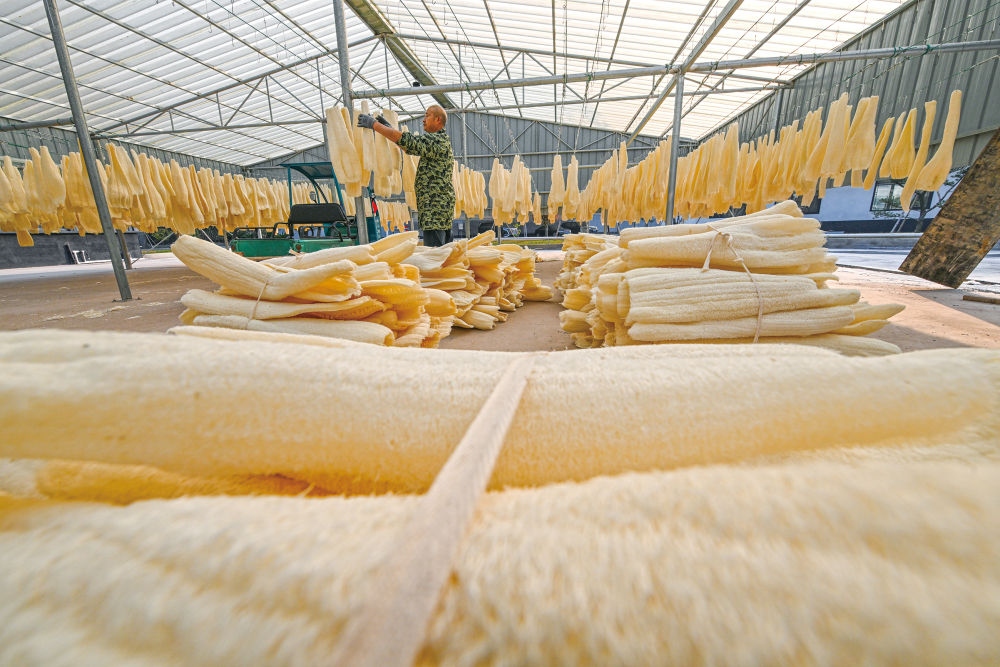
Advanced, sustainable processors use a clean, chemical-free stabilization pathway instead. The raw fiber tubes are treated with a high-temperature vapor sanitization process, followed by gradual drying in controlled solar solar kilns. This approach preserves the natural golden-cream color of the fiber while keeping its complex, multi-layered mesh structure completely intact. The result is an exceptionally durable product that easily complies with EU and US biochemical safety guidelines.
4. Technical Specifications and Quality Metrics for B2B Procurement
When evaluating supply partners with an organic loofah wholesale guide, B2B procurement teams must look past visual aesthetics and examine specific technical parameters. Buying decisions should be based on clear, quantifiable quality metrics rather than subjective assessments.
Fiber Density and Core Resistance
The primary indicator of a loofah’s durability is its fiber density, measured as dry weight per cubic unit of material. High-density loofah features a tight, interlaced pattern of cross-linked fibers, providing excellent resilience under repeated compressions. Core resistance is tested by calculating the amount of downward pressure required to compress a dry loofah section by 50% of its natural uncompressed diameter. Industrial applications require a higher core resistance, whereas personal skincare products need a softer, more flexible fiber grid.
Physical Dimension Tolerances
Wholesale supply lines must provide highly predictable structural dimensions to ensure compatibility with automated automated packaging and processing equipment.
| Product Category | Target Diameter Range | Target Length Range | Intended Commercial Application |
| Industrial Raw Tubes | 7.0 cm – 9.5 cm | 30 cm – 50 cm | High-volume OEM processing, household sponge conversion |
| Premium Bath Rounds | 6.5 cm – 8.0 cm | 10 cm – 15 cm | Retail personal care lines, corporate amenity bundles |
| Precision Exfoliating Slices | 5.0 cm – 7.0 cm | 1.5 cm – 2.5 cm | Cosmetic pad integration, soap-making components |
Moisture Regulating Thresholds
Raw agricultural items naturally absorb moisture from their surrounding environment. If raw loofahs are packed with an internal moisture content above 12%, they face a high risk of developing mold, mildew, or fungal spores during extended ocean shipping. Premium supply pipelines use precise digital moisture meters to ensure every batch is thoroughly dried down to a stable 8% to 10% range before entering the packing phase.
5. Tailoring the Material: OEM/ODM and Private Label Capabilities
A primary advantage of working with a direct organic loofah supplier is the ability to customize raw fibers into unique, shelf-ready consumer products. Modern global brands require specialized shapes, custom branding, and unique packaging options to stand out in crowded retail spaces.
Material Engineering and Structural Customization
Natural loofah fiber is surprisingly adaptable and can be reshaped using advanced manufacturing techniques:
-
High-Pressure Compressing: By applying uniform hydraulic pressure, thick, bulky loofah tubes can be flattened into ultra-thin, space-saving sheets. These flat shapes expand to their full, natural size as soon as the end user dips them in water, which significantly cuts down on international shipping volumes and storage costs.
-
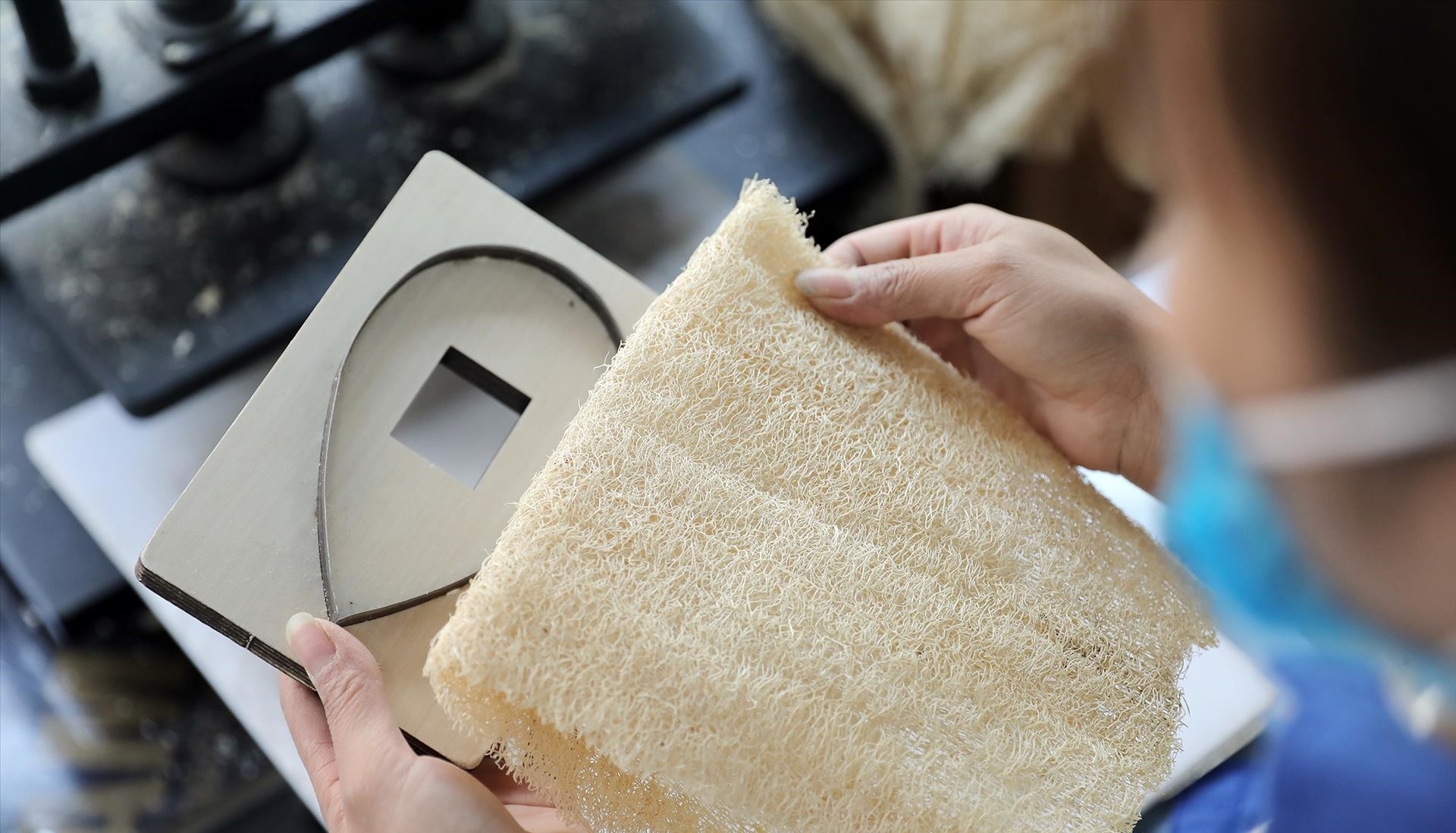
Precision Die-Cutting: Utilizing computerized mechanical presses, raw fiber mats can be cut into complex, custom shapes, such as animal profiles for wholesale loofah pet toys, ergonomic kitchen wedges, or smooth oval bath pads.
-
Multi-Layer Sewing and Fabric Integration: To design premium spa accessories, loofah pads can be combined with other natural materials like organic cotton, unbleached linen, or durable bamboo fibers using heavy-duty, industrial sewing techniques.
+-------------------+      +--------------------+      +-------------------+
|  Raw Fiber Tubes  | ---> | Hydraulic Flatness | ---> | Laser Die-Cutting |
| (Bulky Logistics) |      | (Volume Reduction) |      | (Custom Shapes)   |
+-------------------+      +--------------------+      +-------------------+
Private Label Packaging Configurations
For modern brands selling on e-commerce platforms like Amazon or Etsy, packaging must look pristine while remaining completely eco-friendly. OEM loofah manufacturing facilities provide diverse, plastic-free packaging setups, including recycled kraft boxes printed with soy inks, unbleached cotton drawstrings, and minimalist card stock wraps. Brands can easily integrate their corporate logos, specific barcodes, and instructional copy directly onto the outer packaging, making the products immediately ready for retail distribution upon arrival.
6. Supply Chain Dynamics: Logistics, Freight, and Compliance Protocols
Moving large volumes of lightweight, high-volume agricultural products from factories in Vietnam to retail facilities across the US and Europe requires careful logistical planning. Mismanaging cargo space or documentation can quickly erode retail profit margins.
Optimizing Container Space
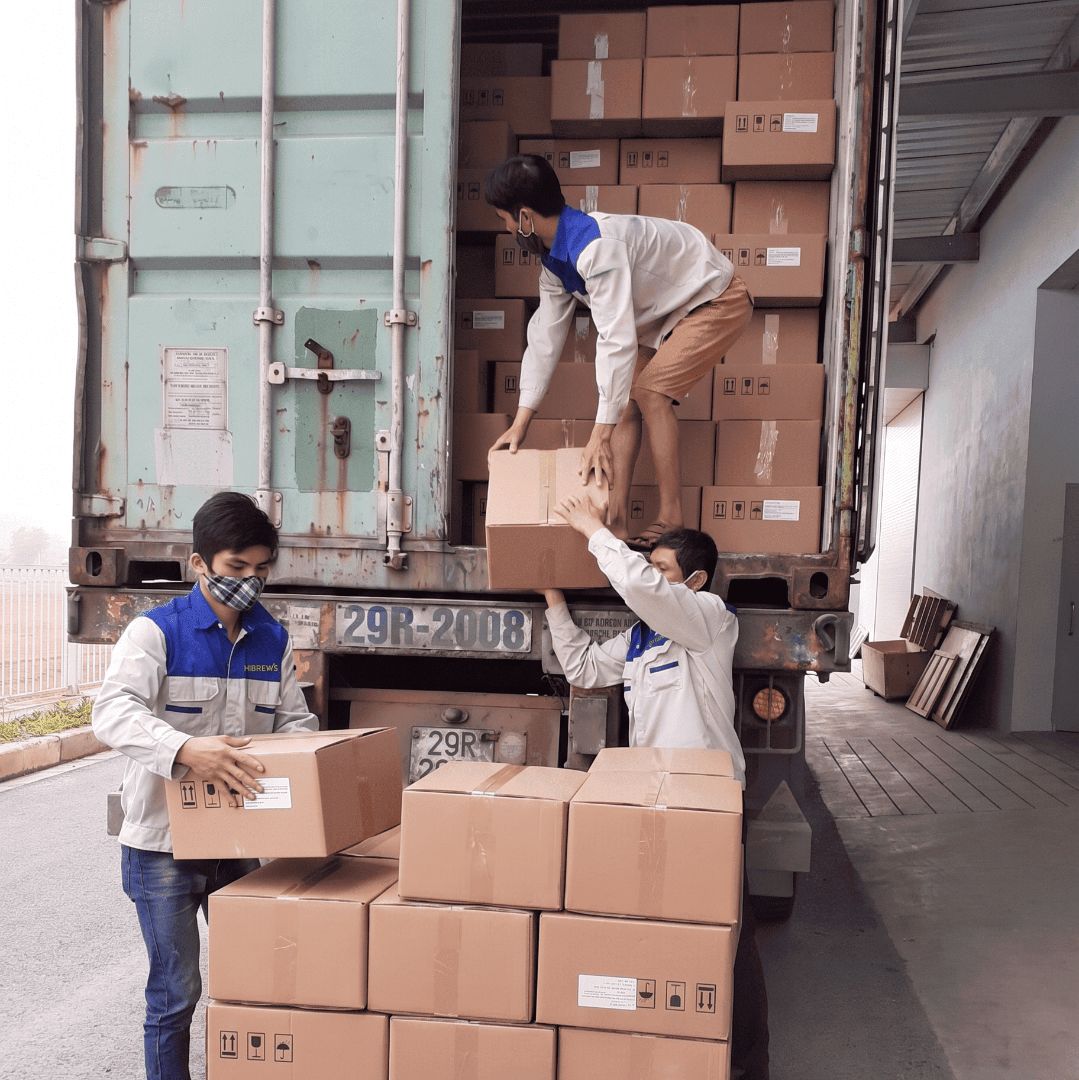
Because dried natural loofah is lightweight yet bulky, it fills shipping containers by volume long before reaching maximum weight limits. To optimize freight costs, suppliers rely on heavy-duty hydraulic pressing systems to compress the finished items into tight, dense blocks before packing them into heavy corrugated cartons.
+-----------------------------------------------------------------+
|                       FREIGHT EFFICIENCY                        |
|  Uncompressed Cargo: 120 Cartons per 40ft HQ Container (High Cost) |
|  Hydraulic Compressed: 450 Cartons per 40ft HQ Container (Low Cost)  |
+-----------------------------------------------------------------+
This mechanical compression increases container volume efficiency by more than 300%. This space optimization enables a standard 40-foot High Cube (HQ) ocean container to hold hundreds of thousands of retail-ready units, driving down the per-unit shipping cost.
Important Export and Import Documentation
Navigating customs offices in major hubs like Los Angeles, New York, Valencia, or Barcelona requires a complete, perfectly prepared documentation pack. A single missing or incorrect certificate can lead to costly border delays or unexpected agricultural quarantine holds.
-
Phytosanitary Certification: Issued directly by the exporting country’s agricultural authorities, this document confirms the plant material has been thoroughly inspected, treated against pests, and is entirely free from regulated agricultural pathogens.
-
Certificate of Origin (Form B / Form D): Officially verifies that the product was grown and manufactured in Vietnam. This paperwork is crucial for importing businesses to utilize active trade agreements and optimize import duty rates.
-
Fumigation Verification: Certifies that the packed cargo has undergone safe, non-residual anti-pest processing right before the container doors are sealed for transport.
-
Standard Ocean Shipping Files: Includes a detailed commercial invoice, an accurate packing list, and the ocean Bill of Lading (BoL).
7. Operationalizing Sourcing via HiBrews
Transitioning away from problematic supply networks requires a structured, dependable onboarding process. HiBrews provides an efficient, transparent path designed to move corporate clients seamlessly from initial sample verification to consistent, full-scale container shipments.
+------------------------+      +-------------------------+      +------------------------+
| 1. Submit Request      | ---> | 2. Sample Verification  | ---> | 3. Scaled Production   |
| Review project specs   |      | Evaluate fiber tactile  |      | Process orders via     |
| and design constraints |      | quality and dimensions   |      | scheduled batch system |
+------------------------+      +-------------------------+      +------------------------+
Strategic Collaboration and Scaled Execution
-
Initial Request Assessment: Procurement teams share their specific product designs, target dimensions, volume needs, and packaging artwork via the Contact HiBrews portal.
-
Sample Testing and Evaluation: To verify tactile quality, fiber density, and material longevity firsthand, brands can request specialized sample groups through the B2B trial order channel. This process allows for rigorous real-world testing before making large capital commitments.
-
Manufacturing and Quality Checks: Once sample configurations are approved, full-scale manufacturing begins across the brand’s verified network of 19 VietGap global farms and clean processing facilities. Every batch is subjected to multi-point quality inspections covering dimensional precision, fiber density stability, and final moisture thresholds.
-
Logistics and Delivery Management: The operations team coordinates customs documentation, executes space-efficient cargo loading, and manages ocean freight routing to deliver tracking-validated shipments directly to your primary corporate warehouses or regional distribution networks.
8. Strategic Roadmap to Partnership Success
To build a reliable, sustainable retail brand, sourcing strategies must look beyond simple spot-market purchases and focus on forming long-term, structurally sound partnerships. By working with a reliable organic loofah supplier that maintains clear ethical standards, corporate procurement teams can completely secure their supply lines, bulletproof their inventory levels against unexpected market disruptions, and confidently deliver pristine, plastic-free products to the global market.
If your company is ready to eliminate plastic meshes from its catalog, upgrade its wholesale sourcing channels, or build a custom line of premium private-label bath products, the next operational steps are straightforward:
-
Review Material Demands: Determine your specific technical requirements, target product dimensions, and anticipated annual ordering volumes.
-
Order Material Samples: Use the Order bulk loofah samples page to secure a test batch, allowing your quality assurance teams to evaluate structural resilience and fiber purity firsthand.
-
Establish Logistics Timelines: Work alongside specialized supply experts to plan customized manufacturing schedules and design highly optimized container delivery routes tailored to your regional warehouses.
For regular operational updates, industrial manufacturing video insights, and upcoming agricultural crop projections, connect with our professional networks across our active global channels:
-
View detailed material overviews via the HiBrews YouTube Channel.
-
Monitor field cultivation and farming progress through HiBrews Eco Facebook and HiBrews Instagram.
-
Coordinate directly with corporate leadership for enterprise contracting on CEO Hibrews Nguyen LinkedIn.
Core Sourcing Inquiries (FAQ)
What is the typical lead time for a 20ft or 40ft container order?
Standard production and processing timelines generally range from 30 to 45 days from initial deposit and design confirmation to container loading at port. Custom packaging requirements or specialized die-cut shapes may add roughly 7 to 10 days to the initial production run.
How does wet compression affect the long-term usability of natural fibers?
Hydraulic compression is an industry-standard method used to optimize shipping volumes. Once the compressed fibers are removed from their cartons and exposed to moisture, they quickly expand to their natural, full-sized shape without suffering any reduction in material strength or cellular durability.
What payment frameworks govern your international wholesale contracts?
Standard B2B trade agreements are typically structured on a Telegraphic Transfer (T/T) or Letter of Credit (L/C) basis. Production begins following a standard deposit, with the remaining balance cleared upon presentation of the full set of export shipping documents.
To explore custom sizing or secure a comprehensive quote tailored to your business, please Inquire loofah wholesale through our dedicated commercial intake division to connect with an enterprise supply manager today.

Leave A Comment