
For international procurement officers, supply chain directors, and sustainable brand founders, sourcing botanical commodities requires navigating a complex landscape of agricultural variables, trade policies, and corporate social responsibility targets. In the personal care and eco-friendly home goods sectors, the commercial gourd sponge (Luffa aegyptiaca) has transitioned from a niche wellness accessory into a high-volume retail staple.
For decades, the global market was divided between two supply models: Egypt’s high-cost, smallholder premium model and China’s low-cost, mass-industrialized output. However, changing trade policies, volatile shipping lanes, and rising demands for environmental, social, and governance (ESG) compliance have exposed structural vulnerabilities in both regions.
As a result, international supply chains are increasingly shifting toward Vietnam natural loofah wholesale solutions. By combining optimal tropical agricultural conditions with progressive trade frameworks and verified fair-wage farming networks, Vietnam has established itself as the premier strategic sourcing hub for premium, chemical-free organic loofahs.
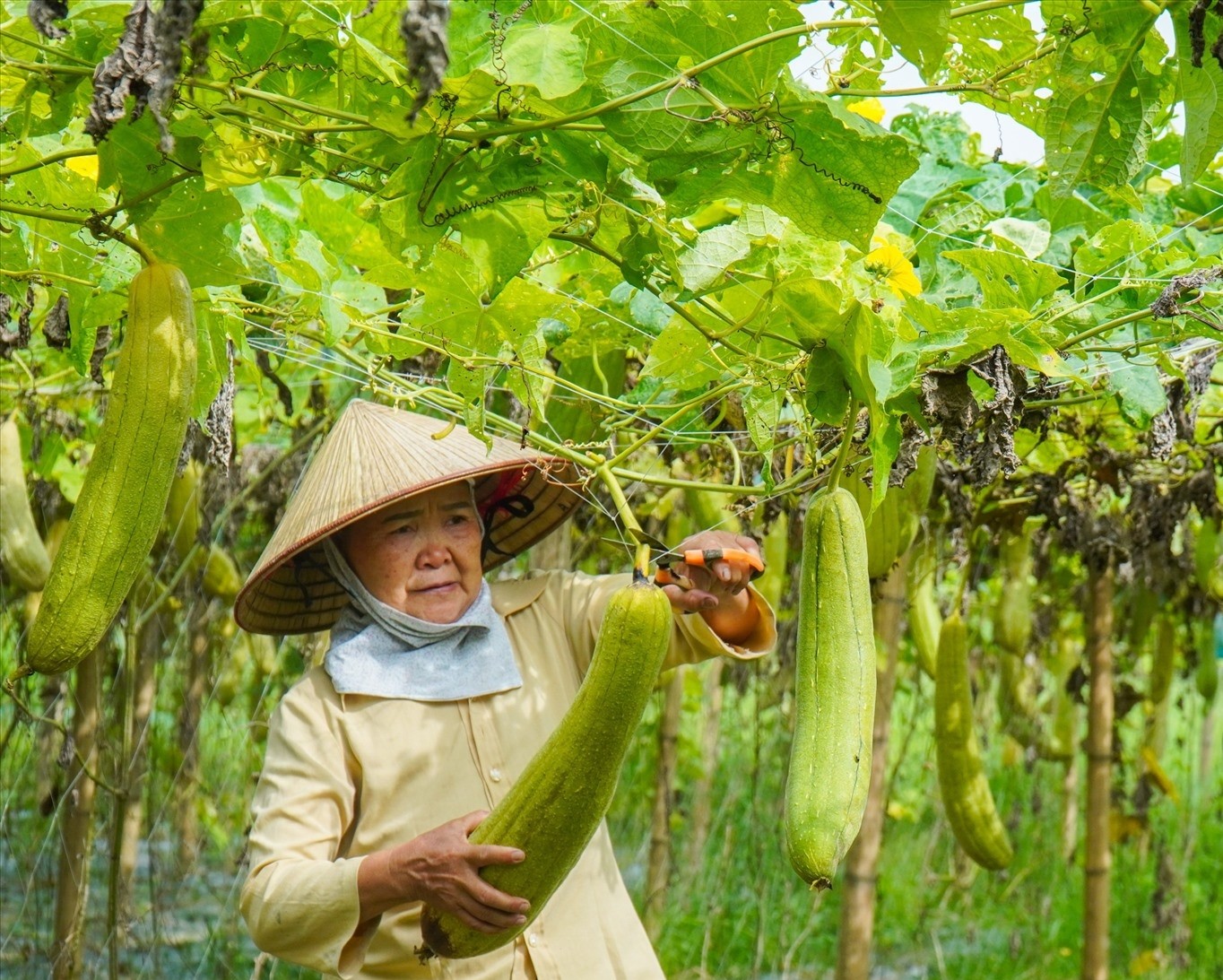
1. Morphological Superiority: The Bio-Structural Edge of Vietnamese Luffa
The physical performance of an organic exfoliating sponge is determined by its fiber density, structural tensile strength, and water-retention behavior. While competitor regions are constrained by extreme climates that alter fiber properties, Vietnam’s agricultural landscape delivers a highly balanced fiber structure.
[Global Microclimates vs. Fiber Outcome]

Egypt (Arid / High-Heat) ────► Coarse, Ultra-Dense Fiber Matrix (Prone to scratching sensitive skin)
China (Monoculture / Humid) ──► Loose, Low-Density Cell Walls (Accelerated product decomposition)
Vietnam (Tropical / Monsoonal) ─► Resilient Multi-Layered Lattice (Optimal exfoliation & high durability)
The Cellular Grid Breakdown
Unlike the arid growing regions of North Africa, which produce a rigid, sometimes abrasive fiber network, the tropical monsoon climate of Vietnam’s fertile river deltas allows the loofah plant to develop a flexible, multi-layered internal lattice. The natural alternation of controlled rainfall and intense sunlight produces cellulose walls that offer high structural integrity without becoming brittle.
When integrated into international beauty, hospitality, or zero-waste kitchen product lines, sponges sourced through a premier organic loofah supplier demonstrate clear functional advantages:
-
Optimal Exfoliation Co-efficient: The fiber matrix provides effective mechanical exfoliation to remove dead skin cells while remaining soft enough to preserve the skin barrier, meeting the standards of modern dermatology.
-
High Hydrophilic Resilience: Upon immersion in water, Vietnamese loofah fibers expand uniformly into a resilient cushion rather than becoming waterlogged or spongy, a common structural failure observed in rapid-growth varieties.
-
Extended Product Lifespan: The high-tensile cellulose strands resist tearing under commercial laundering and repeated wetting cycles, providing a functional lifespan that exceeds standard utility options by up to 45%.
Chemical-Free Post-Harvest Integrity
A major challenge when sourcing low-cost botanical products is the widespread use of sulfur fumigation and sodium hypochlorite (industrial bleach) to achieve a uniform appearance. These chemical shortcuts weaken natural fibers, accelerate structural breakdown, and leave hazardous residues that violate consumer safety regulations such as the European Union’s REACH Compliance Directory.
In contrast, top-tier export operations in Vietnam utilize chemical-free post-harvest processing. Sponges undergo manual deseeding, clean water washing, and natural solar drying. This preserves the plant’s structural strength, maintains its natural creamy-white to warm-tan hue, and ensures compliance with international border inspections.
2. Geopolitical Logistics and Maritime Freight Optimization
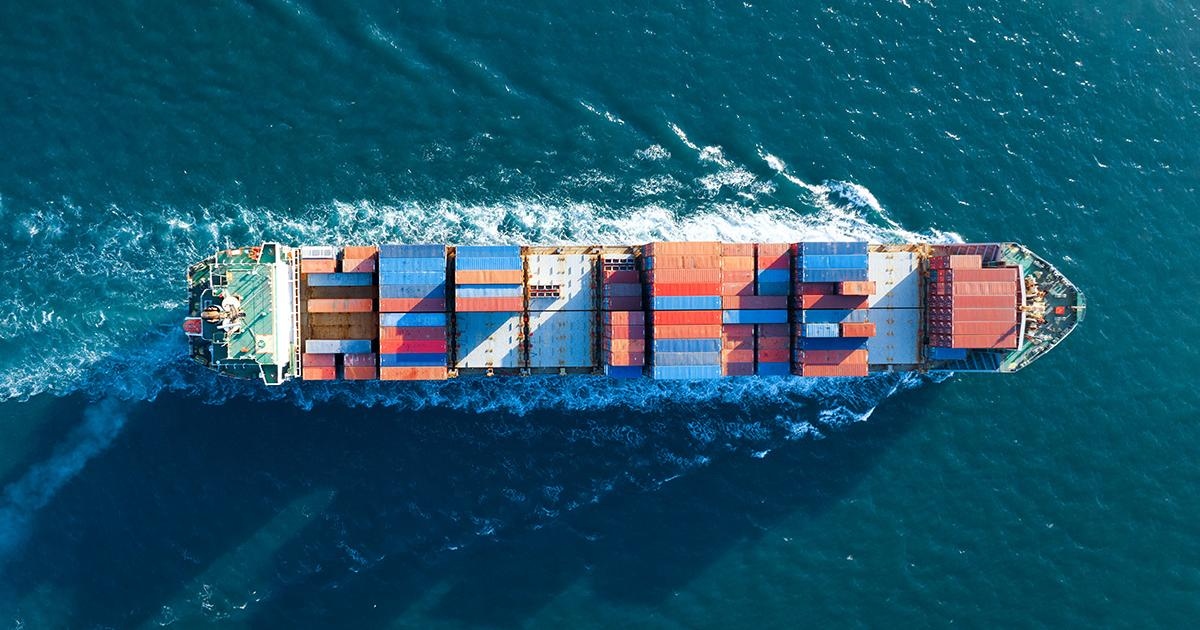
Global sourcing requires careful management of landed costs, port transit times, and shipping container efficiency. The geographical position of Vietnam offers clear logistical advantages for shipping to key markets across North America, Europe, and the Asia-Pacific region.
[Global Sourcing Shipping Corridors to US/EU Ports]

Egypt ──────► Mediterranean Bottlenecks ──► Transatlantic Transit (High regional volatility)
China ──────► East Asian Ports ──────────► Transpacific Routes (Subject to acute container congestion)
Vietnam ────► Strategic Deepwater Ports ──► Direct Global Corridors (Diversified logistics routing)
Strategic Deepwater Port Infrastructure
Vietnam’s extensive coastline features highly modern deepwater port infrastructures, including the Port of Haiphong in the north and the Port of Cat Lai / Cai Mep in the south. These hubs provide direct maritime corridors to major international destinations, avoiding the transshipment delays frequently encountered when shipping from inland regional hubs.
By utilizing direct sea lanes, procurement managers can achieve predictable lead times:
-
To United States West Coast (Long Beach/Seattle): 18–22 Transit Days.
-
To Western European Hubs (Rotterdam/Valencia): 28–35 Transit Days via established maritime routes.
-
To Asia-Pacific Gateways (Tokyo/Sydney): 7–12 Transit Days.
Volumetric Compression Expertise
Because natural loofah is lightweight but highly volumetric, shipping uncompressed fibers can lead to unsustainably high freight costs, where buyers effectively pay to transport empty space.
To resolve this, advanced processing facilities in Vietnam apply specialized hydraulic heat compression techniques. This process temporarily flattens the loofah fibers, increasing packing density within a standard 40ft High Cube (HC) container by up to 300%.
Once the cargo arrives at its destination and is unpacked, the natural elasticity of the fibers allows them to expand back to their original dimensions when exposed to moisture. This volume optimization significantly reduces the per-unit shipping cost, allowing brands to protect their operational margins.
3. Tariff Mitigation and Preferential Free Trade Agreements (FTAs)
In an era defined by trade protectionism, shifting tariff structures, and sudden retaliatory duties, understanding import taxation is critical to maintaining supply chain viability. Choosing Vietnam natural loofah wholesale channels provides a strategic hedge against these fiscal disruptions.
[Import Duty Comparison Framework for Western Markets]

United States Market:
  ├─ Sourced from China ─────► Subject to Section 301 Tariffs & Variable Anti-Dumping Risks
  └─ Sourced from Vietnam ───► Standard MFN Tariffs with Minimal Regulatory Penalties

European Union Market:
  ├─ Sourced from Egypt ─────► Fragmented Preferential Access Over Non-Agri Sectors
  └─ Sourced from Vietnam ───► EVFTA Pathway (Phased reduction to 0% import duties)
The US Sourcing Strategy: Avoiding Section 301 Risks
For brands importing into the United States, relying on Chinese manufacturing carries substantial financial risks due to ongoing Section 301 tariffs and fluctuating anti-dumping duties.
Sourcing from Vietnam allows US businesses to import under standard Most-Favored-Nation (MFN) tariffs, insulating their supply chains from sudden trade policy changes and ensuring stable long-term pricing models.
The European Union Strategy: Capitalizing on the EVFTA
For companies operating within the European Union, the EU-Vietnam Free Trade Agreement (EVFTA) provides a powerful economic advantage. This historic trade agreement establishes a clear pathway toward zero-tariff access for processed agricultural goods and natural consumer items.
By utilizing compliant Vietnamese exporters who supply certified GSP/EVFTA Certificates of Origin, European importers can completely eliminate tariff overheads that often reach up to $12\%$ when sourcing from non-FTA countries.
4. The Ethical Imperative: Humanitarian ESG and Fair-Trade Sourcing
Modern corporate social responsibility mandates that supply chains actively document their social impact, labor transparency, and ethical wealth distribution. The structured organization of Vietnam’s agricultural communities offers an ideal framework for verified fair-trade sourcing.

Empowering Rural Smallholders and Women’s Collectives
Unlike large-scale monoculture operations that rely on seasonal, unregulated labor, Vietnam’s loofah production is deeply integrated into rural smallholder cooperatives and artisanal farming families.
Leading export networks partner directly with local smallholders, providing guaranteed purchase contracts that protect farmers from market volatility. Furthermore, the processing, sorting, and precision-stitching stages are frequently managed within rural women’s collectives, creating reliable, fair-wage employment opportunities that support gender equity and community development.
Complete Traceability
By partnering with an organized manufacturing infrastructure, international brands can track their products back to verified agricultural origins. This transparency allows procurement teams to secure certifications from independent auditing bodies, including the Fair Trade Federation Standards and specialized environmental compliance groups.
This level of verified traceability provides a powerful brand asset, allowing companies to share an authentic sustainability narrative with increasingly conscious consumers.
5. Industrial Customization and Comprehensive OEM Capabilities
To successfully capture premium, mass-market, or corporate private-label accounts, natural commodities must be highly adaptable to specific design configurations. Vietnam’s manufacturing sector seamlessly bridges the gap between raw agricultural material and precise industrial design.
[Advanced OEM Loofah Customization Pipeline]

[Raw Material Selection] ──► Grade A Export Long Fiber Matrix
                                     │
                                     ▼
[Precision Die-Cutting] ───► Custom Diameters / Geometric Shapes
                                     │
                                     ▼
[Structural Integration] ──► Organic Cotton Piping / Unbleached Linen Backing
                                     │
                                     ▼
[Compliance Packaging] ────► FSC Certified Recycled Cartons & Bulk Palletization
By working with an experienced partner in OEM loofah manufacturing, international enterprise buyers can access a wide range of custom product options:
-
Precision Die-Cutting and Density Calibration: Sponges can be cut into exact geometric profiles, sliced into consistent thickness blocks for soap integration, or compressed using heavy hydraulic tools to create sleek facial exfoliating pads.
-
Material Integration: Combining natural loofah matrices with certified organic cotton trim, unbleached linen straps, or ergonomic bamboo handles allows brands to develop unique, eye-catching product lines.
-
Retail-Ready Sustainable Packaging: Facilities offer full packaging customization, including laser-etched brand identities directly on the fiber, soy-ink printed recycled paper belly bands, and FSC-Certified Counter Displays designed for direct retail placement.
6. Comprehensive Sourcing Evaluation: Vietnam vs. Global Competitors
For corporate purchasing agents reviewing annual procurement strategies, the choice between sourcing locations depends on balancing long-term product durability against international regulatory risks.
[Total Value Lifecycle Comparison]

Vietnamese Loofah Supply Chain:
  High Product Lifespan (4-6 Months) + 0% Preferential FTA Duties = Maximized Long-Term Profitability

Chinese / Egyptian Supply Chain:
  Frequent Replacements (6-10 Weeks) + High Tariffs / Complex Logistics = Margin Compression
When evaluating total cost of ownership (TCO), choosing premium Vietnamese agricultural fibers provides significant financial returns over multiple supply chain cycles:
-
Reduced Customer Attrition: Delivering a durable, chemical-free product builds consumer trust, drastically reducing retail returns and negative online reviews.
-
Minimized Compliance Bottlenecks: Direct tracking and certified organic farming practices prevent costly border delays and unexpected customs inspections.
-
Hedged Tariff Portfolios: Leveraging international free trade agreements keeps landed pricing predictable, shielding corporate bottom lines from sudden trade disputes.
7. Partnering with a Structured Supply Chain Matrix
Building a reliable, sustainable supply chain requires deep visibility at every stage of production—from initial seed selection to final maritime customs clearance. HiBrews simplifies international procurement by integrating modern manufacturing standards with certified farming networks.
By sourcing directly from our audited network of 19 VietGap farms across Vietnam, we maintain strict control over raw material quality, ensuring consistent fiber structures and stable pricing models. Our advanced manufacturing facilities specialize in chemical-free processing, hydraulic compression logistics, and precision mechanical cutting, helping international eco-brands scale their operations without compromising on quality or sustainability.
Ready to Optimize Your Sustainable Sourcing Infrastructure?
Our team of international trade consultants is ready to help you analyze your product designs, optimize container packing layouts, and build a resilient, cost-effective supply chain.
-
To request a comprehensive commercial quote tailored to your exact specifications, Inquire loofah wholesale via our corporate procurement hub.
-
To thoroughly evaluate our fiber resilience, purity, and workmanship firsthand, Order bulk loofah samples today.
-
Connect directly with our leadership team on the CEO Hibrews Nguyen LinkedIn profile for strategic, enterprise-grade OEM partnerships.
-
Discover our green production processes in action by subscribing to the official HiBrews YouTube Channel.

Leave A Comment